


Site Tour with Test Users
Choose a test user to login and take a site tour.
Choose a test user to login and take a site tour.


6 minutes, 26 seconds
-44 Views 0 Comments 0 Likes 0 Reviews
Developing plastic containers with large openings requires careful coordination between product design, tooling structure, and manufacturing processes. A reliable Wide-Mouth Mould Manufacturer can help packaging businesses create molds that accommodate different opening dimensions, neck configurations, and container designs. When evaluating a Wide-Mouth Mould Manufacturer, buyers should consider not only mold precision but also product adaptability, engineering communication, equipment compatibility, and the ability to support changing packaging requirements.
Wide-mouth packaging is used in many industries where convenient product access and filling operations are important. Examples include food storage containers, cosmetic jars, household product packaging, and industrial plastic containers.
Different applications create different design expectations. Food containers may require specific opening dimensions to accommodate filling equipment and closure systems. Cosmetic packaging often places greater emphasis on appearance and the coordination between the container and its lid. Industrial applications may involve particular structural requirements based on the packaged material.
The opening diameter, neck height, thread structure, and container proportions should therefore be defined before mold development begins.
Manufacturers should also consider how consumers interact with the finished packaging. Easy access, convenient opening, and suitable closure compatibility can influence the overall product design. Understanding these requirements helps engineers establish a more appropriate tooling concept.
A wide-mouth container needs to work properly with its corresponding lid or closure. Even small differences in thread dimensions or sealing surfaces may affect how these components fit together.
During mold development, engineers should pay particular attention to the neck finish. Thread depth, pitch, opening diameter, and sealing area need to correspond to the closure specifications.
The core and cavity structures must also reproduce the required geometry accurately. Their alignment and machining quality influence the consistency of the molded component.
For packaging projects involving customized closures, buyers should provide detailed technical drawings or reference samples. This information allows mold designers to evaluate the relationship between the container opening and the closure before manufacturing starts.
Coordinating these details early can reduce unnecessary design adjustments during later production stages.
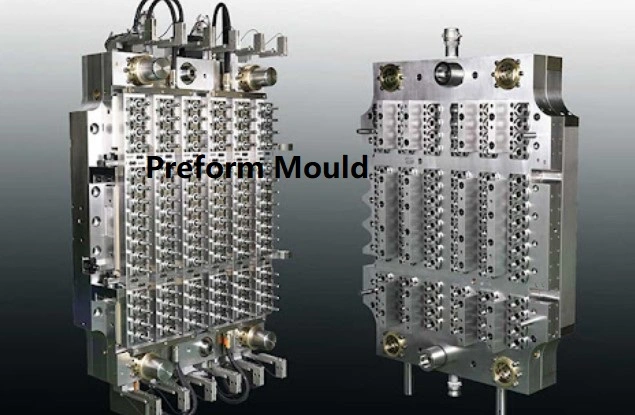
Different packaging businesses have different requirements for mold structures and production arrangements. QH Preform Mould provides a reference for buyers exploring specialized wide-mouth molds and plastic packaging tooling.
Customized tooling development generally begins with an evaluation of the proposed container design. Buyers can communicate opening dimensions, product drawings, plastic material preferences, cavity requirements, and intended production conditions.
Engineers can then review the mold structure and consider factors such as cavity arrangement, cooling channels, mold base configuration, and ejection methods.
Another important consideration is the compatibility between the mold and the customer's injection molding equipment. Installation dimensions, machine capacity, and operating conditions should be reviewed before tooling production is confirmed.
Clear technical communication throughout the project helps connect the original product concept with the finished mold structure.
Mold quality is only one factor influencing the final plastic product. Injection molding conditions also play an important role in determining dimensional consistency and surface appearance.
Material preparation, melting temperature, injection speed, pressure, and cooling time all require appropriate control. Different plastic materials may behave differently during processing, so manufacturers should select parameters according to the resin specifications and mold design.
Cooling system arrangement is particularly important for products with thicker sections or complex geometries. Balanced temperature distribution can help reduce uneven shrinkage and unwanted deformation.
Manufacturers should also evaluate the ejection process. Properly designed ejection structures help release molded components without causing unnecessary marks or damage.
Coordinating tooling design with production conditions provides a more complete approach to manufacturing quality.
Before a new mold enters regular production, trial molding provides an opportunity to evaluate its performance. Manufacturers can inspect sample containers for opening dimensions, thread accuracy, surface quality, and overall structural consistency.
Closure testing is also valuable. Matching the molded neck with the intended lid can help identify fitting or sealing issues that may not be obvious from dimensional measurements alone.
For long-term production, maintenance planning should not be overlooked. Regular cleaning, inspection of cavity surfaces, cooling channel maintenance, and checking moving components can help preserve mold operating conditions.
Buyers should also consider future product development. Packaging designs may change as brands introduce different container sizes, closure styles, or market-specific products. Discussing potential customization requirements with the mold manufacturer can make future projects easier to coordinate.
Selecting appropriate tooling involves balancing design requirements, production conditions, quality inspection, and ongoing technical support. Businesses interested in specialized wide-mouth molds and customized packaging tooling can visit https://www.qhpreformmould.com/ to explore available products and manufacturing solutions.



Share this page with your family and friends.