Oxford Fabric is widely applied in industries requiring a balance of durability, flexibility, and cost efficiency. Its adaptability makes it suitable for both consumer goods and industrial-grade products.
One of the most common application areas is luggage and bag manufacturing. Depending on strength requirements, manufacturers select different denier levels such as 300D for lightweight backpacks or 600D–1680D for heavy-duty luggage. The fabric’s ability to hold shape while remaining lightweight is a key advantage.
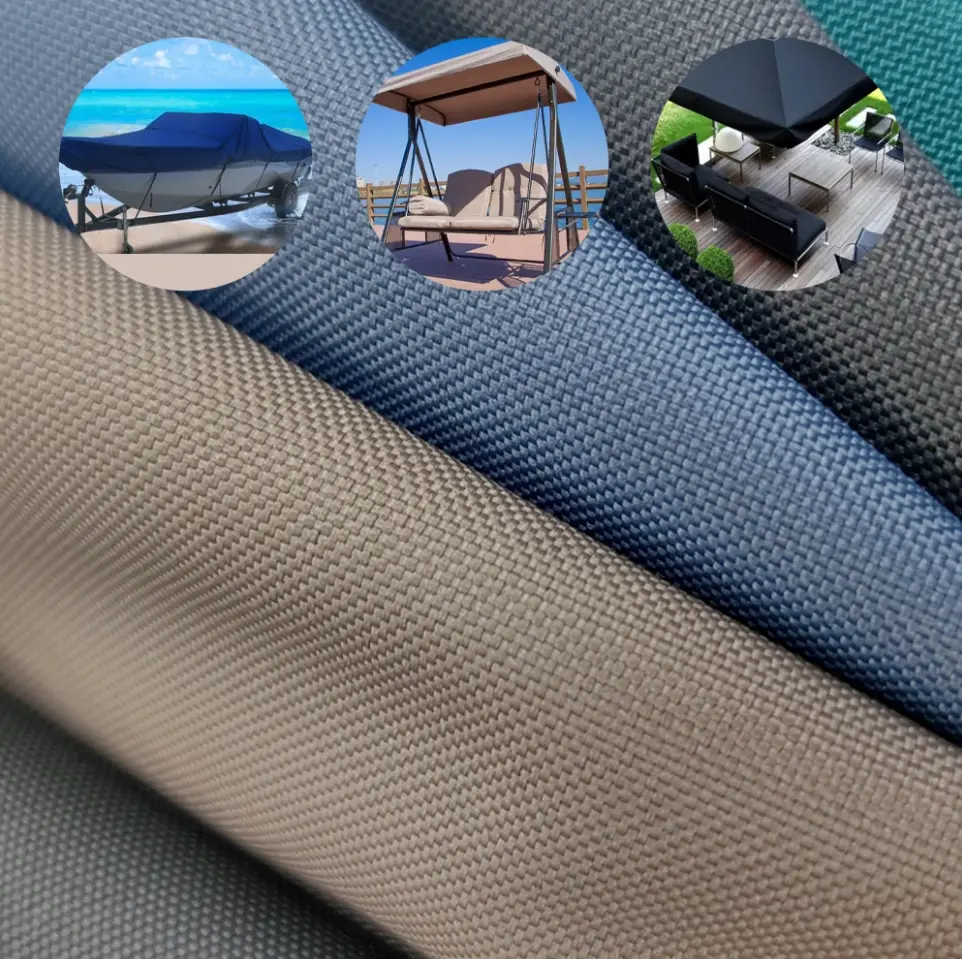
Outdoor equipment is another major field of use. Tents, tarpaulins, and protective covers often rely on coated Oxford fabric due to its resistance to moisture and environmental exposure. PU and PVC coatings enhance water resistance, while ripstop variants improve tear resistance in challenging conditions.
In transportation and storage systems, Oxford fabric is used for protective covers and flexible containers. Its abrasion resistance and structural stability make it suitable for repeated folding and mechanical handling.
Industrial applications include machinery covers, temporary shelters, and protective packaging. In these contexts, higher GSM and reinforced coatings are preferred to extend service life under harsh conditions.
Additionally, Oxford fabric is used in pet products, strollers, and home storage solutions. Its ease of cleaning and resistance to wear make it practical for everyday consumer use.
Across all these sectors, Oxford Fabric serves as a material that bridges the gap between lightweight textiles and heavy-duty industrial fabrics. Its scalability allows it to be customized for different functional requirements without requiring entirely new material systems.





Share this page with your family and friends.