


Site Tour with Test Users
Choose a test user to login and take a site tour.
Choose a test user to login and take a site tour.


6 minutes, 42 seconds
-13 Views 0 Comments 0 Likes 0 Reviews
A business may have a promising product and a capable team, yet its growth can be limited by where it operates. Customers may struggle to reach its office, employees may lose time during inconvenient commutes, or rising property expenses may leave little room for investment. These challenges show why commercial space is a business decision with consequences that extend well beyond the address on a visiting card.
India's office market reflects the continued demand for commercial workplaces. According to JLL's India Office Market Dynamics Q2 2026 report, office leasing across India's top seven cities reached 37.9 million square feet in the first half of 2026, making it the second-highest first-half performance on record. Net absorption reached 26.9 million square feet, up 11.6% year on year.
These figures highlight the role commercial workplaces continue to play as businesses establish operations and plan for expansion.
A business needs to be accessible to the people it serves. When clients can reach an office conveniently, attending meetings, discussing proposals and maintaining regular contact become easier. For retail businesses, visibility and foot traffic can drive sales. For companies serving other businesses, proximity to clients and industry networks can make regular interactions more convenient.
A suitable location can reduce barriers between a company and its target market. Poor accessibility, on the other hand, may create unnecessary friction for customers and employees. Location alone cannot guarantee business success, but it can make building and maintaining commercial relationships easier.
The layout of commercial premises can affect how efficiently employees carry out their responsibilities. A team working in a cramped office may struggle to collaborate, while a lack of meeting rooms can complicate discussions and client presentations. These problems can become more disruptive as the workforce grows.
A workspace suited to the company's activities gives employees room to concentrate, communicate and manage their tasks. It can also reduce the need for costly alterations when business requirements change. By supporting the way a team actually works, suitable commercial space can limit operational interruptions and make expansion easier to manage.
Commercial property comes with expenses beyond rent or the purchase price. Fit-outs, maintenance, utilities, security and parking can all add to the cost of occupation. If these expenses take up too much of the budget, a business may have less capital available for recruitment, marketing, technology or entering new markets.
This is why the cheapest property is not necessarily the most economical choice. A poorly suited space may require expensive modifications, while an unnecessarily large premises can increase recurring costs without delivering a corresponding benefit. A property that matches the company's operational needs and financial capacity can preserve greater flexibility for future investment.
Commercial premises are also shaped by their surroundings. Access to public transport, restaurants, banks, hotels and other offices can make a location more convenient for employees and visitors. Being part of an established commercial district can also help businesses stay connected to suppliers, professional services and potential partners.
Pearls Business Park by Nimbus Realty, located in Netaji Subhash Place, Pitampura, Delhi, illustrates the role of an established commercial setting. The development combines ten floors of office space with three floors dedicated to shopping. Its metro connectivity, proximity to the Ring Road and surrounding business establishments are relevant to companies operating in this part of Delhi.
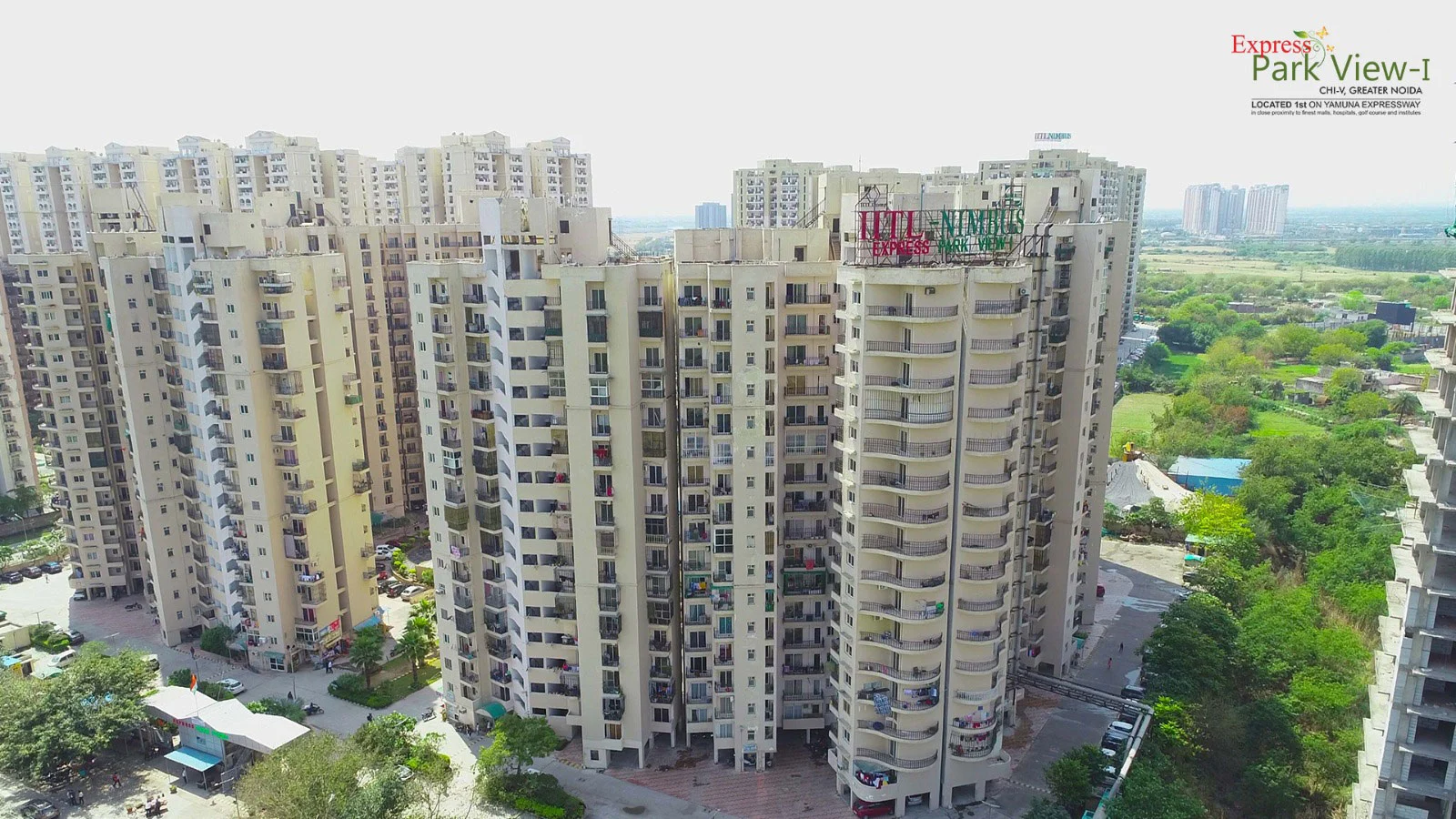
Location requirements, however, vary according to the nature of a business and the customers it serves. A company looking to establish its operations in Greater Noida may prioritise access to emerging business districts, available workspace and connectivity with other parts of the NCR. When evaluating options such as Nimbus in Greater Noida, businesses should first establish whether the location aligns with their workforce, customer base and expansion plans.
Business requirements rarely remain the same for years. A growing team may need more workstations, a company may introduce new services, or a customer-facing operation may need more space for visitors. If the existing premises cannot accommodate these changes, relocating can be costly and disrupt normal operations.
Choosing a space that can adapt to reasonable changes in business requirements can reduce the likelihood of an early move. It also lets the company plan expansion with greater continuity, rather than repeatedly reorganising operations around unsuitable premises.
Ultimately, the right commercial space can shape business growth because it affects customer access, employee productivity, financial flexibility, and the ability to expand. A property that supports these needs can help a company use its resources more effectively and respond to opportunities as they arise. The best choice fits the business today while leaving room to grow in the years ahead.



Share this page with your family and friends.