


Site Tour with Test Users
Choose a test user to login and take a site tour.
Choose a test user to login and take a site tour.


7 minutes, 40 seconds
-15 Views 0 Comments 0 Likes 0 Reviews
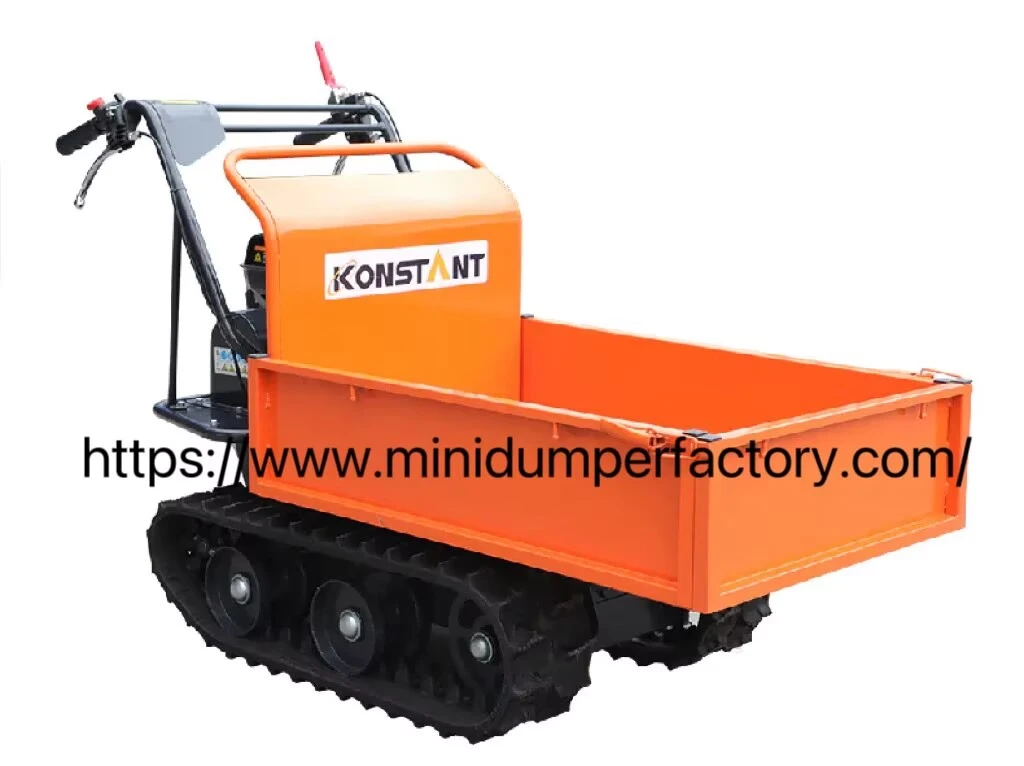
Power Barrow selection requires more than comparing product photographs, advertised specifications, or purchase prices. Construction contractors, landscaping companies, agricultural businesses, and machinery distributors need to consider how equipment will perform within their actual working environments. Before contacting a manufacturer, buyers should prepare information about site conditions, transportation routes, operating frequency, and maintenance expectations. These details provide a practical starting point for discussing suitable configurations and avoiding unnecessary purchasing mistakes.
Does the Equipment Match Your Daily Working Conditions?
The intended application should guide the purchasing process. Construction projects may involve transporting bricks, sand, gravel, and demolition waste. Landscaping businesses may need to move soil, plants, mulch, and garden materials. Agricultural operations can involve feed, fertilizer, and supplies across outdoor working areas.
Although these applications involve similar transportation tasks, their requirements can differ considerably. Buyers should identify the materials they handle, the distance between loading and unloading points, and the expected number of trips each day.
It is also useful to consider whether the equipment will operate continuously or only during occasional projects. This information helps manufacturers discuss suitable engine configurations, operating arrangements, and structural requirements.
Have You Measured the Available Working Space?
Site dimensions can influence whether a machine is practical for a particular project. Buyers should measure entrance widths, passageways, turning areas, ramps, and storage spaces before selecting a model.
For example, landscaping contractors may need to transport materials through garden gates or between existing buildings. Renovation teams may work around temporary obstacles, narrow corridors, and restricted access points.
Overall dimensions should be checked against the actual transportation route. Buyers should also consider turning clearance because a machine that can pass through an entrance may still have difficulty changing direction inside the working area.
Providing measurements to the manufacturer can make product discussions more specific. It also helps buyers identify possible access problems before arranging delivery.
What Should You Check During a Product Demonstration?
Product demonstrations provide an opportunity to examine operating details that may not be clear in a specification sheet.
Buyers should observe the starting procedure, steering response, forward and reverse controls, braking operation, and unloading process. These details influence how operators interact with the equipment during routine work.
A demonstration should also cover the machine under an appropriate working load. Buyers can ask how the manufacturer recommends distributing materials inside the hopper and what operating limits apply to different ground conditions.
If an in-person inspection is not possible, request clear operating videos and detailed photographs. International buyers can also ask for a video meeting to discuss specific components and operating procedures.
How Should Buyers Evaluate Stability and Operator Safety?
Safety considerations deserve attention before an order is confirmed. Buyers should review the braking arrangement, control accessibility, load distribution requirements, and operating instructions.
Ground conditions are particularly important. Uneven surfaces, slopes, loose soil, and wet areas can affect machine movement and stability. Operators should understand the manufacturer's recommended operating limits and avoid carrying loads beyond the rated capacity.
Buyers should also ask about emergency stopping procedures, parking arrangements, and precautions during unloading. For businesses purchasing several units, operator training materials can help establish consistent working practices across different teams.
A supplier should be able to explain relevant safety features and provide operating documentation for the selected configuration.
Which Maintenance Details Should Be Discussed Before Ordering?
Routine maintenance has a direct connection with equipment management. Buyers should ask how frequently the engine, transmission, hydraulic components, and other serviceable parts require inspection.
It is also useful to examine the accessibility of maintenance points. Convenient access to filters, fluid connections, fasteners, and other service areas can make routine checks easier for maintenance personnel.
Replacement part availability is another important consideration. Distributors and equipment rental businesses should discuss commonly required components, ordering procedures, and technical assistance before purchasing multiple units.
Ask the manufacturer whether maintenance manuals, parts lists, and troubleshooting instructions are available. These documents can support equipment management after delivery.
What Should You Confirm About Production and Delivery?
Before placing an order, buyers should request a detailed quotation that identifies the selected configuration, included accessories, order quantity, and payment arrangements.
Production schedules also deserve attention. Ask whether the requested configuration is available for regular production or requires additional customization. If special colors, dimensions, or component brands are needed, confirm the relevant details in writing.
Packaging and transportation arrangements should also be reviewed. Buyers can request information about package dimensions, gross weight, loading methods, and shipping documents. These details help importers coordinate freight arrangements and prepare for goods reception.
For larger orders, a written inspection checklist can clarify what needs to be checked before shipment. It can cover product appearance, operating functions, accessories, and agreed specifications.
How Can You Assess a Manufacturer Before Making a Decision?
A purchasing decision should include an evaluation of the supplier, not just the equipment. Buyers can ask about manufacturing experience, production facilities, quality inspection procedures, customization capabilities, and export arrangements.
It is also helpful to review product documentation and communication practices. Clear answers about specifications, delivery schedules, and replacement components can make cooperation easier to organize.
For distributors, long-term cooperation may involve repeated orders and changing market requirements. Discussing production planning, product updates, and technical support can help both parties establish realistic expectations.A structured purchasing process allows buyers to compare equipment according to actual project requirements rather than relying on appearance alone. Businesses evaluating different configurations can review the product range and manufacturing information from minidumperfactory at https://www.minidumperfactory.com/ and contact the company to discuss specifications, customization requirements, and order arrangements.



Share this page with your family and friends.