


Site Tour with Test Users
Choose a test user to login and take a site tour.
Choose a test user to login and take a site tour.


7 minutes, 23 seconds
-3 Views 0 Comments 0 Likes 0 Reviews
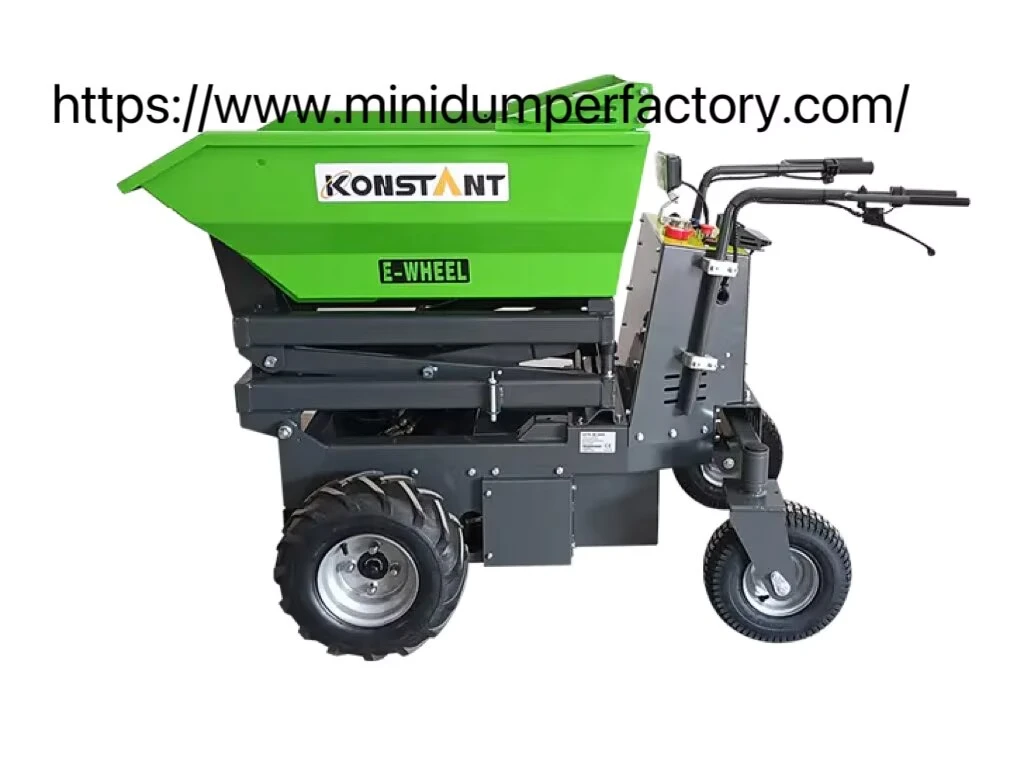
Power Barrow Manufacturer selection involves more than comparing product photographs and quoted prices. For construction contractors, landscaping businesses, agricultural operators, and equipment distributors, the right purchasing decision begins with understanding how the machine will perform in its intended working environment. Buyers should examine load requirements, ground conditions, access limitations, operating controls, maintenance arrangements, and technical support. A clear evaluation process helps purchasing teams identify suitable equipment and communicate their requirements before placing an order.
Match the Equipment to the Actual Worksite
The working environment should guide the purchasing discussion. A machine used on a construction site may need to transport soil, sand, gravel, bricks, or building materials across uneven ground. Landscaping projects may involve narrow pathways, gardens, slopes, and restricted access areas. Agricultural applications can include moving feed, fertilizer, plants, and other materials.
Buyers should describe the intended tasks rather than simply requesting a general-purpose model. Consider the distance traveled during each trip, the frequency of operation, the available turning space, and the type of surface involved.
It is also useful to measure narrow entrances, pathways, storage areas, and loading locations. These measurements help determine whether the proposed dimensions are suitable for the actual workplace.
Calculate the Required Load Carefully
Carrying capacity is an important specification, but buyers should consider the weight and characteristics of the materials being transported. A container filled with soil may have a different total weight from one filled with lightweight garden waste, even when the occupied volume is similar.
Prepare an estimate of the normal load for each trip and identify whether heavier materials will be handled occasionally. Buyers should also consider daily operating frequency. A business transporting materials repeatedly throughout a working day may have different requirements from one using the equipment for occasional site tasks.
Ask for the rated carrying capacity and confirm how it applies to the selected configuration. The purchasing team should avoid making assumptions based only on container size or product photographs.
Compare Driving Systems and Ground Adaptability
Different work environments can require different running arrangements. Buyers should review the available wheel or track configurations, traction characteristics, ground clearance, and turning performance according to the intended application.
For uneven construction areas, surface conditions and slopes deserve particular attention. Landscaping operators may instead prioritize maneuverability around buildings, trees, and narrow passages. The selected arrangement should correspond with the terrain and working routes.
Ask the production team to explain the differences between available configurations. Photographs, specification sheets, and operating demonstrations can help buyers understand how each option is designed to function.
Where possible, request information about recommended operating conditions and restrictions. This makes it easier for purchasing teams to communicate appropriate usage expectations to their customers.
Examine Controls and Operator Safety
The operating experience deserves attention before an order is confirmed. Buyers should ask about handle positioning, control layout, starting procedures, braking arrangements, unloading controls, and access to routine operating components.
Consider who will operate the machine and whether users will need basic training. Clear operating instructions can help reduce confusion when equipment is introduced to a new workplace.
Safety information should also be reviewed as part of the purchasing process. Ask about applicable protective features, operating limitations, maintenance precautions, and available instruction manuals. The intended worksite may have additional requirements concerning slopes, pedestrian movement, noise, or restricted operating areas.
For commercial applications, buyers should check relevant local machinery and workplace requirements before selecting a configuration. Equipment documentation should accurately describe its intended use and operating conditions.
Review Maintenance Access and Replacement Parts
Regular maintenance affects the practical cost of owning equipment. Buyers should examine whether routine service points are accessible and ask which components require periodic checking or replacement.
Useful questions include:
Which components need routine inspection?
What maintenance intervals are recommended?
Are replacement parts identified by model or reference number?
Are maintenance instructions available?
How can distributors request technical assistance?
A clear parts list can help importers and dealers organize local inventory. Businesses operating several units may also prepare a maintenance schedule to coordinate inspections and reduce unexpected interruptions.
Check Inspection Procedures Before Shipment
Buyers should understand how the ordered equipment is checked before dispatch. Relevant inspection points may include overall dimensions, frame condition, fasteners, control operation, unloading movement, electrical connections where applicable, and accessory completeness.
For larger orders, agree on the inspection requirements in writing. The approved specification and sample can serve as references when checking multiple units.
Packaging also needs attention. Confirm package dimensions, gross weight, protective materials, and loading arrangements. These details help freight providers prepare transport plans and allow importers to estimate receiving and storage requirements.
Evaluate the Complete Purchasing Arrangement
A quotation should be reviewed alongside the equipment configuration, included accessories, customization details, inspection arrangements, packaging, documentation, warranty terms, and replacement-part support. Comparing these items individually helps buyers understand what each offer includes.
minidumperfactory provides product information for businesses sourcing compact material-handling equipment for construction, landscaping, agriculture, and other working applications. Buyers can prepare their preferred configuration, expected quantity, working environment, and destination details before discussing a project. This makes it easier to clarify technical expectations and commercial requirements.For importers, contractors, and distributors planning an equipment purchase, reviewing available models and product specifications can help organize the sourcing process. Visit https://www.minidumperfactory.com/ to view product information and contact the team about configurations that correspond with your intended applications.



Share this page with your family and friends.