


Site Tour with Test Users
Choose a test user to login and take a site tour.
Choose a test user to login and take a site tour.


7 minutes, 39 seconds
-2 Views 0 Comments 0 Likes 0 Reviews
At a sports ground, a water bottle often gets placed on the edge of a bench, picked up between activities, and carried around for the rest of the day. Its surface may collect fingerprints, light scratches, or traces of moisture from repeated handling. These ordinary details are part of what buyers consider when looking for a Chinese Factory Water Bottle Manufacturer. The material matters because it affects the way a bottle feels in the hand, how it responds to daily use, and what kind of care it needs.
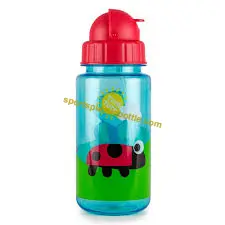
TOUMTOU bottles are made from BPA-free plastic, according to the product information provided by the manufacturer. BPA refers to bisphenol A, a chemical used in the production of certain plastics and resins. A BPA-free description indicates that this substance is not used in the stated product material. It is a specific material-related point, rather than a statement that every plastic product has identical characteristics. Buyers who need details about a particular bottle should confirm its material information with the supplier before placing an order.
The word plastic covers a broad range of materials, and the exact type can affect flexibility, surface feel, and resistance to everyday handling. However, the available product information does not identify a particular resin type, so it would be inaccurate to assign one to TOUMTOU bottles. This distinction is worth keeping in mind when comparing product descriptions. A clear specification from the factory is more useful than an assumption based on appearance, since two bottles that look similar may have different material compositions.
When holding a bottle, I tend to notice the areas that receive repeated contact first: the sides, the neck, and the section around the opening. These parts are handled whenever someone fills, carries, or drinks from the container. A smooth exterior can be comfortable to grip, while the shape determines how the item sits in a hand or bag. Such observations do not establish a technical durability rating, but they help explain why the physical character of a material is relevant to everyday use.
Durability is not a single property. It can refer to how a product responds to ordinary contact, repeated handling, storage, or accidental knocks. The actual performance depends on the material formulation, product structure, manufacturing process, and conditions of use. Since detailed test results and resin specifications have not been provided for these bottles, buyers should avoid treating general descriptions as proof of resistance to particular impacts or temperatures. Asking the factory about the intended use and available product documentation is a practical step.
Care also affects the condition of a reusable container. After use, residue from a drink can remain around the opening or inside the body, so cleaning according to the supplier's instructions is sensible. A bottle should be checked from time to time for visible damage, including cracks, unusual changes in shape, or a damaged drinking area. If damage is present, the item should not be treated as though its original condition remains unchanged. These are straightforward habits, but they are relevant to products that are handled throughout the day.
Manufacturing has a role in how material becomes a finished bottle. The factory needs to manage the production process so that the intended product form can be made and checked. Taizhou Huangyan Zuohaoa Plastic Factory has over a decade of experience in manufacturing BPA-free plastic water bottles. That background provides context about its work, although experience alone should not be taken as a substitute for product-specific specifications or inspection information. Customers can request those details when evaluating a particular design.
The factory operates a 4,000-square-meter facility and provides custom design services. For a customized bottle, the material discussion should take place alongside the intended shape and use. A design for sports activities may be handled differently from one intended for general daily hydration, so the customer and manufacturer need to clarify the requirements before production. Questions about the selected plastic, surface finish, cleaning guidance, and intended conditions of use can help establish whether a proposed item matches the order brief.
Quality control is another part of the manufacturing picture. It concerns how products are checked during production and before they are prepared for delivery. The specific inspection procedures used for a given order have not been detailed in the available product facts, so buyers should ask which checks apply to the model they are considering. This conversation can cover the bottle body, opening, visible finish, and any other features relevant to the intended application without assuming that every design follows an identical inspection process.
For sports and daily hydration, a bottle may travel between a gym bag, a desk, a vehicle, and an outdoor setting. Each place brings different handling habits. Someone who carries a container loosely in a bag may have different practical concerns from a person who keeps it upright on a work surface. Thinking about these routines helps buyers describe their needs clearly. It also gives the manufacturer useful context when discussing a custom design, rather than leaving the product brief at the level of appearance alone.
Material descriptions are useful when they are specific and supported by information about the actual product. BPA-free plastic is the stated material feature for TOUMTOU bottles, while further details should be confirmed for the selected model. Taizhou Huangyan Zuohaoa Plastic Factory serves sports and everyday hydration needs through its manufacturing and global export services, and customers can review available designs at https://www.sportsplasticbottle.com/product/ before discussing their requirements with a Chinese Factory Water Bottle Manufacturer.



Share this page with your family and friends.