


Site Tour with Test Users
Choose a test user to login and take a site tour.
Choose a test user to login and take a site tour.


14 minutes, 40 seconds
-414 Views 0 Comments 0 Likes 0 Reviews
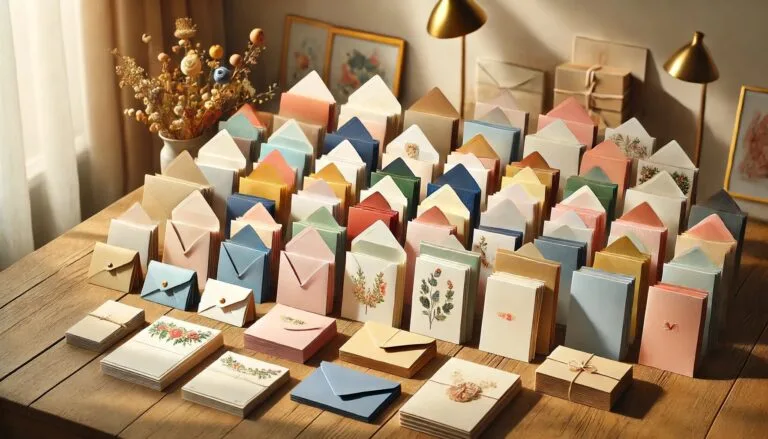
Perfect for any occasion, handmade cards add a personal touch that shop-bought alternatives simply can’t replicate. Whether it’s a birthday, anniversary, seasonal, or just a simple thank-you note, a handmade card shows thoughtfulness and effort. If you’re a craft enthusiast, a DIY lover, or part of the card-making community, this guide is tailor-made for you. We’ll walk you through everything you need to know to create stunning handmade cards that will leave your recipients in awe. From selecting the right materials and tools to mastering various techniques and adding creative embellishments, we’ve got you covered. Get ready to unlock your creativity and make every occasion special with a personalised touch.
Handmade cards are more than just pieces of paper; they’re heartfelt expressions of love, gratitude, or celebration. Creating a handmade card lets you infuse your personality and creativity into every aspect of the design, making it truly one-of-a-kind.
Whether you’re crafting for a birthday, Christmas, wedding, or just because, the effort you put into a handmade card speaks volumes. It’s a labour of love that shows the recipient just how much you care.
Before you start crafting, it’s essential to gather all the necessary tools. Having the right equipment can make the process smoother and more enjoyable.
First, you’ll need a good quality cardstock as the base for your cards. This provides a sturdy foundation for your designs. You’ll also want an assortment of patterned papers, embellishments, and adhesives like double-sided tape or glue dots.
Don’t forget basic tools like a ruler, a pair of sharp scissors, and a craft knife. These are essential for cutting and measuring your materials accurately.
For more advanced designs, consider investing in specialty tools like a die-cutting machine, embossing folders, and stamps. These tools can add intricate details to your cards, making them even more impressive.
A scoring board is also invaluable for creating clean, crisp folds in your cards. It ensures that your cards look professional and well-made.
Keeping your workspace organised is crucial for efficient crafting. Use storage bins and organisers to keep your supplies tidy and easily accessible. A clean workspace allows for more creativity and less frustration. There are some fantastic craft room storage ideas from our friends at Crafting Cheerfully.
Choosing the right colours is fundamental to creating visually appealing handmade cards. The colours you select can set the tone and mood of the card.
Start by familiarising yourself with basic colour theory. Understanding the colour wheel, complementary colours, and how different hues interact can help you make better choices.
For example, using complementary colours like blue and orange can create a striking contrast, while analogous colours like blue and green offer a more harmonious look.
Consider the season or theme of the card when selecting your colours. Pastels are perfect for spring, while rich, warm tones are ideal for autumn. For seasonal cards, traditional colours like red and green for Christmas or black and orange for Halloween are always a safe bet.
Don’t be afraid to incorporate the recipient’s favourite colours into your design. This personalised touch can make the card even more special and meaningful.
The layout of your card can significantly impact its overall look and feel. Experimenting with different layouts can help you find the style that best fits your design.
The classic layout features a central focal point, such as an image or sentiment, with embellishments and decorations arranged around it. This layout is timeless and works well for any occasion.
A balanced layout ensures that no part of the card feels too heavy or cluttered. Distribute elements evenly to create a harmonious design.
For a more engaging experience, consider adding interactive elements like pop-ups, sliders, or shaker windows. These dynamic features can surprise and delight the recipient.
Making a pop-up card may seem complex, but with a bit of practice, you can master this technique. Templates are available online to guide you through the process.
Layering different papers and embellishments can add depth and dimension to your cards. Use foam adhesive to lift certain elements off the card’s surface, creating a three-dimensional effect.
Experiment with layering different textures, such as smooth cardstock with embossed patterns or glossy accents with matte backgrounds.
The beauty of handmade cards lies in their personalisation. Adding unique, personalised touches can elevate your cards from lovely to unforgettable.
A handwritten message inside the card adds a heartfelt touch that can’t be replicated by any machine. Even if your handwriting isn’t perfect, the effort and personal touch will be appreciated.
Take your time when writing your message. Use a fine-tip pen for precision and consider practicing on scrap paper before committing to the card.
If you have a knack for drawing, consider adding custom illustrations to your cards. Simple sketches or detailed drawings can make your card truly one-of-a-kind.
Use waterproof ink if you plan to add watercolour or other wet media over your drawings. This prevents smudging and ensures your artwork remains crisp.
Photos can make your cards even more special. Whether it’s a picture of a memorable moment or a cherished family photo, incorporating images adds a personal and sentimental touch.
Print your photos on high-quality paper to ensure they look their best. Use photo corners or adhesive dots to attach them securely to the card.
There are countless types of handmade cards you can create. Exploring different styles can inspire your creativity and help you discover new techniques.
From birthdays to anniversaries, greeting cards are versatile and always appreciated. Tailor your designs to suit the specific occasion for a more personalised touch.
Consider including interactive elements like pull tabs or hidden messages to make your greeting cards even more engaging and fun.
Seasonal cards are a wonderful way to spread cheer and show your loved ones you’re thinking of them. Seasonal themes and traditional motifs can make your seasonal cards stand out.
Experiment with different seasonal themes, such as Christmas, Easter, or Halloween. Each holiday offers unique opportunities for creative card designs.
A handmade thank you card is a thoughtful way to express your gratitude. Simple, elegant designs with heartfelt messages can leave a lasting impression.
Consider using embossing techniques or metallic accents to add a touch of sophistication to your thank you cards.
Embellishments can add flair and personality to your handmade cards. From ribbons to sequins, there are endless options to choose from.
Ribbons and bows can add a touch of elegance and charm to your cards. Choose colours and textures that complement your design.
Secure your ribbons with adhesive dots or double-sided tape to ensure they stay in place. Consider using a bow maker for perfectly tied bows every time.
Our friends at Baker Ross, who are celebrating 50 years of service, have a great range of ribbons and bows.
Sequins and gems can add sparkle and glamour to your cards. Use them sparingly to avoid overwhelming your design.
Apply sequins and gems with a precision adhesive or glue pen. This ensures they stay in place and don’t fall off during handling.
Stamps and inks can add intricate details and patterns to your cards. Experiment with different stamp designs and ink colours to create unique effects.
Consider using embossing powders and heat tools to add a three-dimensional texture to your stamped designs.
Trying out different techniques can help you discover new ways to enhance your handmade cards. Don’t be afraid to experiment and push your creative boundaries.
Watercolours can add a soft, artistic touch to your cards. Experiment with different techniques, such as wet-on-wet or dry brushing, to create unique effects.
Use watercolour paper for the best results. This type of paper is designed to absorb water without warping or buckling.
Embossing can add texture and dimension to your cards. Use embossing folders or heat embossing techniques to create raised designs.
Experiment with different embossing powders, such as metallic or glitter, to add a touch of glamour to your cards.
Paper piecing involves cutting out different shapes and assembling them to create a cohesive design. This technique can add depth and interest to your cards.
Use a variety of patterned papers and textures for a more dynamic effect. Consider using a die-cutting machine for precise shapes.
Joining the card making community can provide inspiration, support, and feedback. Engaging with fellow crafters can enhance your skills and fuel your creativity.
Online forums and social media groups are great places to connect with other card makers. Share your creations, ask for advice, and participate in challenges and swaps.
Consider joining platforms like Facebook groups or dedicated crafting forums. These communities are full of passionate crafters eager to share their knowledge and experiences.
Workshops and classes can provide hands-on learning and inspiration. Look for local or online workshops that focus on card making techniques and trends.
Consider attending crafting conventions or retreats for a more immersive experience. These events often feature expert instructors and a variety of classes.
Creating stunning handmade cards is a rewarding and fulfilling hobby. By following these tips and techniques, you can transform simple materials into beautiful works of art that will delight and inspire your loved ones.
Remember, the most important part of card making is to have fun and express your creativity. Don’t be afraid to experiment, make mistakes, and try new things. Every card you create is a unique expression of your heart and soul.
Ready to take your card making to the next level? Join our community of passionate crafters on Facebook and start sharing your creations today!




Share this page with your family and friends.