


Site Tour with Test Users
Choose a test user to login and take a site tour.
Choose a test user to login and take a site tour.


7 minutes, 43 seconds
-17 Views 0 Comments 0 Likes 0 Reviews
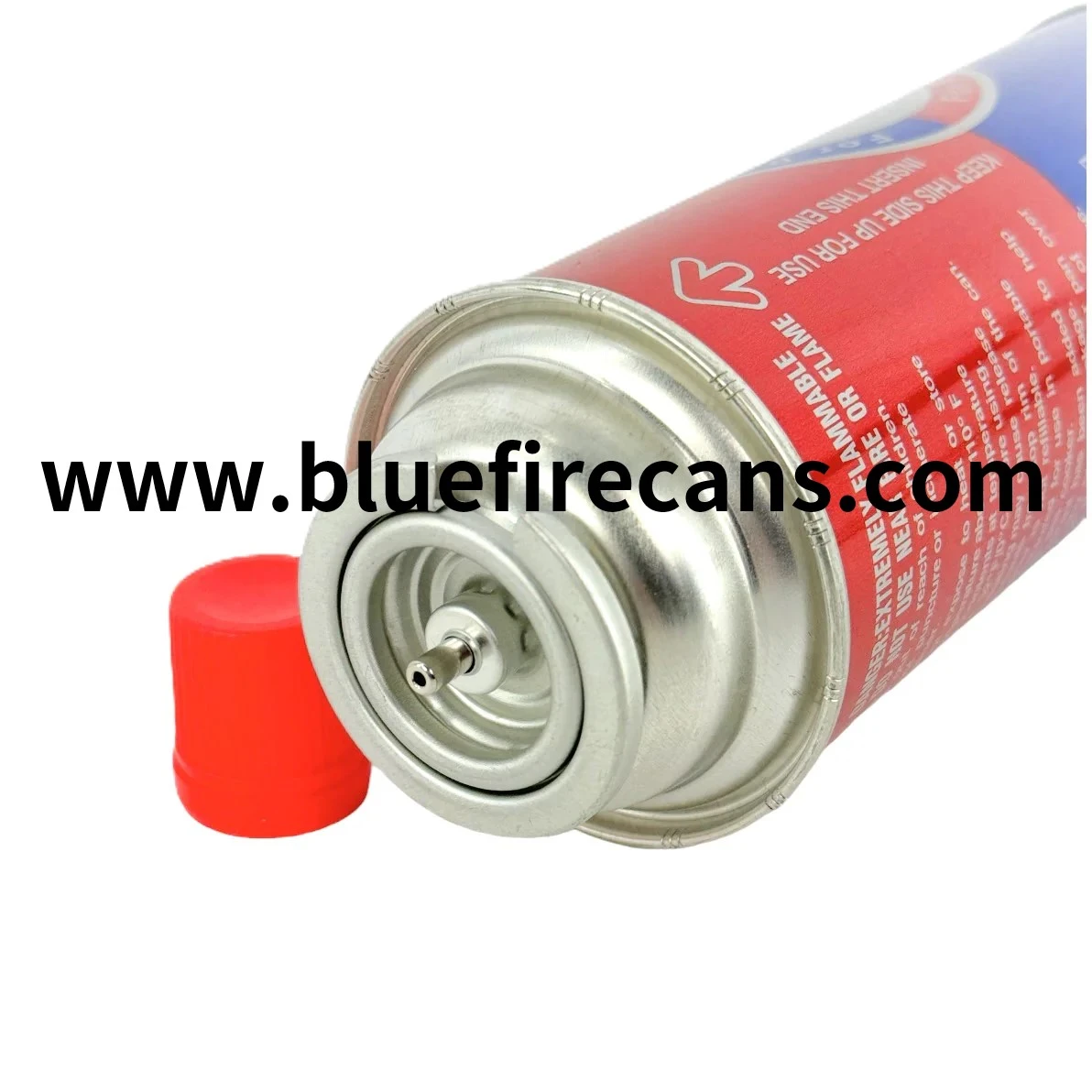
Butane Gas Cartridge Supplier evaluation should begin with a clear list of questions rather than a simple request for a quotation. Importers need to understand what a factory can provide, which technical records are available, how products are inspected, and whether the proposed arrangements fit the destination market. Asking these questions early can help purchasing teams compare proposals, identify missing information, and establish clear responsibilities before production begins. A structured discussion also gives manufacturers a better understanding of the buyer's business model, target customers, and intended sales channels.
Can You Provide Complete Product Specifications?
The first discussion should establish exactly what the buyer intends to purchase. Request a specification sheet covering container dimensions, nominal filling quantity, material information, valve configuration, product weight, and compatible applications.
It is useful to provide the intended appliance model or connection requirements when requesting information. Similar-looking products may have different connection structures, so visual comparison alone is not sufficient for confirming compatibility.
Importers should also ask whether different capacity options are available and whether technical drawings can be provided for review. These documents help purchasing teams compare product configurations and share accurate information with their engineering, sales, and warehouse departments.
Which Inspection Procedures Are Used During Production?
A factory discussion should explain how product quality is monitored at different manufacturing stages. Buyers can ask how incoming materials are checked, how forming operations are controlled, and how valve installation and finished units are inspected.
For pressurized containers, relevant inspection activities may include dimensional checks, sealing evaluations, leak testing, pressure-related testing, and visual examinations. The actual procedures should correspond to the product design and applicable technical requirements.
Importers should ask several practical questions:
Which inspection stages are included in normal production?
Are inspection results recorded by batch?
What acceptance criteria are used for finished products?
Can relevant test reports be provided for review?
How are nonconforming units identified and handled?
These questions help buyers understand the factory's quality management approach without relying on general promotional statements.
What Documents Can Be Prepared for Your Market?
Documentation deserves attention before an order enters production. Requirements may differ according to the product classification, destination country, sales channel, and transportation method.
Importers can ask about available technical specifications, safety data sheets, conformity documents, test reports, product labels, and manufacturing records. They should also identify which documents are mandatory for the intended market and which may be requested by customs brokers, distributors, or logistics providers.
Label information should receive a separate review. Product identification, filling information, warnings, handling instructions, and language requirements may all need to be considered. Buyers should provide the destination market at the inquiry stage so that relevant requirements can be checked before artwork approval.
For international shipments, importers should confirm applicable dangerous-goods rules with qualified freight professionals and relevant authorities. A document that works for one destination or transport route should not automatically be assumed suitable for another.
How Are Packaging and Delivery Arrangements Managed?
Packaging affects warehouse planning, retail presentation, and shipment preparation. Buyers should ask about the quantity per carton, outer carton dimensions, gross weight, pallet arrangements, and available labeling options.
If the order is intended for retail distribution, packaging artwork and product identification should be confirmed before mass production. Importers should also clarify who reviews the final artwork and how approved files are stored for future orders.
Delivery discussions should cover production scheduling, estimated completion dates, loading arrangements, shipping documents, and communication during dispatch. Buyers should establish which party is responsible for each task rather than assuming that all logistics arrangements are included in the quotation.
Which OEM and Private-Label Options Are Available?
For brands and distributors, customization may influence how a product fits an existing market. Ask whether the factory can discuss printed designs, labels, carton artwork, packaging configurations, and other project-specific requirements.
Before requesting a final quotation, prepare the brand artwork, preferred colors, required languages, target quantities, and any technical restrictions. This gives the production team a clearer basis for evaluating the project.
Sample approval should also be part of the discussion. Buyers can ask whether a sample is available, what details need to be checked, and how approval is recorded before larger production quantities are arranged. Any change to an approved design should be reviewed and documented by both parties.
What Commercial Details Should Be Confirmed?
A quotation should explain more than the unit price. Importers should clarify minimum order quantities, payment arrangements, quotation validity, production lead times, packing quantities, and delivery terms.
For repeat purchases, it is useful to ask how the factory manages specification updates and communicates changes involving materials, components, packaging, or production schedules. A documented order specification gives both parties a reference for later transactions.
Buyers should also identify the appropriate contact for technical questions, order progress, and quality-related feedback. Clear responsibilities can make communication easier when several departments are involved.
How Can Buyers Prepare for the Initial Inquiry?
Before contacting a potential manufacturing partner, prepare a short project brief containing the intended application, target market, expected order quantity, technical requirements, packaging preferences, and delivery expectations. Attach available drawings or reference information when possible.
This preparation helps the production team respond with relevant product details instead of making assumptions about the project. It also gives the purchasing team a consistent basis for comparing different proposals.For importers planning new sourcing projects, bluefirecans provides product information and manufacturing contact options for discussions about specifications, packaging, and OEM requirements. Buyers can review the available range and submit their project details through https://www.bluefirecans.com/ to begin a focused conversation about their purchasing plans.



Share this page with your family and friends.