


Site Tour with Test Users
Choose a test user to login and take a site tour.
Choose a test user to login and take a site tour.


6 minutes, 15 seconds
-7 Views 0 Comments 0 Likes 0 Reviews
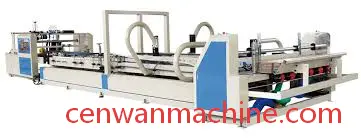
Choosing carton equipment often comes down to a practical trade-off: should the purchase be built around the box styles already running through the workshop, or should it accommodate packaging designs expected in future orders? An automatic folding gluing machine needs to be assessed against actual carton structures rather than its general product description. Buyers can begin with flat blanks, finished samples, and drawings showing panel dimensions, crease positions, and glued flaps. A carton sitting on a purchasing manager's desk may look straightforward, yet its folding sequence can determine which machine arrangement is suitable for the job.
Carton dimensions are among the first details to clarify. Buyers should identify the range of blank sizes handled during regular production and ask which formats the proposed equipment accommodates. Length, width, panel arrangement, and flap position all influence how a carton travels through the working sections. A specification sheet may describe an operating range, but that range needs to be understood in relation to the actual box design. When several carton styles are involved, it is worth separating routine orders from occasional formats instead of treating every design as equally important during the purchasing discussion.
Folding configuration deserves its own review. Some packaging designs follow a straightforward sequence, while others require connected panels to move in a particular order before the glued section is brought into position. Buyers should explain how their blanks are folded by hand and identify the points where alignment matters. A sample with visible crease lines can make this conversation easier. I would also ask which adjustments are available when the carton layout changes, since a machine prepared for one format may require a different setup before another design enters production.
Feeding arrangements are another specification worth examining closely. The buyer needs to understand how flat blanks are introduced, positioned, and guided into the folding process, including the adjustments associated with different carton sizes. If the workshop handles changing orders, setup time and operator involvement become purchasing considerations. During a discussion with CenWan, the proposed equipment configuration can be considered alongside carton samples and the intended packaging process, with the machine's design and manufacturing work based in Wenzhou, China. Buyers should clarify which feeding components belong to the quoted configuration rather than assume they are included.
Glue application should be assessed according to the carton structure and the location of its joining flap. A buyer can mark the adhesive area on a sample and ask how the relevant section is arranged, how its position is adjusted, and what the operator observes during production. The specification should explain the intended gluing arrangement without leaving the purchaser to guess from a general machine photograph. Adhesive requirements may also depend on the packaging material and the carton design, so the discussion should remain connected to the samples that will be processed rather than unsupported assumptions about glue consumption or bonding performance.
Operating capacity needs careful interpretation. A quoted production rate is meaningful only when the carton format and operating conditions behind it are understood. Buyers can ask what feeding, folding, and gluing stages are included in the stated figure and whether the reference carton resembles their own orders. Production planning also involves the frequency of format changes, the length of individual runs, and the amount of time allocated for preparation. A workshop handling repeated carton designs may plan its equipment differently from one receiving assorted packaging jobs throughout the week.
Machine dimensions, installation space, access for operators, and maintenance arrangements belong on the specification review as well. The available floor area needs to account for the equipment itself and the surrounding space used for blank storage, finished cartons, and routine work. Ask which areas require cleaning or adjustment and how operators access those sections. Installation information should be reviewed before the purchase is finalized, particularly when the machine will be placed within an existing production line. These details affect the layout drawing, not just the equipment quotation.
When comparing proposals, buyers can separate confirmed specifications from questions awaiting clarification, especially when sample testing, configuration, installation, and supplied components are discussed together. Information from https://www.cenwanmachine.com may be considered alongside carton drawings and the purchasing notes, while the final arrangement remains connected to the intended application. The automatic folding gluing machine may be specified around a familiar carton format, or the buyer may leave room for additional designs, with the unresolved choice reflected in the feeding arrangement and adjustment requirements. "We still need to decide which carton should define the setup."



Share this page with your family and friends.