


Site Tour with Test Users
Choose a test user to login and take a site tour.
Choose a test user to login and take a site tour.


8 minutes, 26 seconds
-6 Views 0 Comments 0 Likes 0 Reviews
Metal structures and equipment play an important role in homes, businesses, construction sites, and industrial facilities. Gates, railings, machinery, trailers, frames, and other metal components are regularly exposed to pressure, movement, weather, and everyday wear. Over time, these conditions can cause cracks, broken joints, loose connections, or other forms of damage. Addressing these problems early can help prevent further deterioration and reduce the need for expensive replacements. Professional metalwork provides practical solutions for restoring damaged components and maintaining their usefulness. With proper inspection, suitable materials, and skilled workmanship, many metal items can continue serving their intended purpose for years.
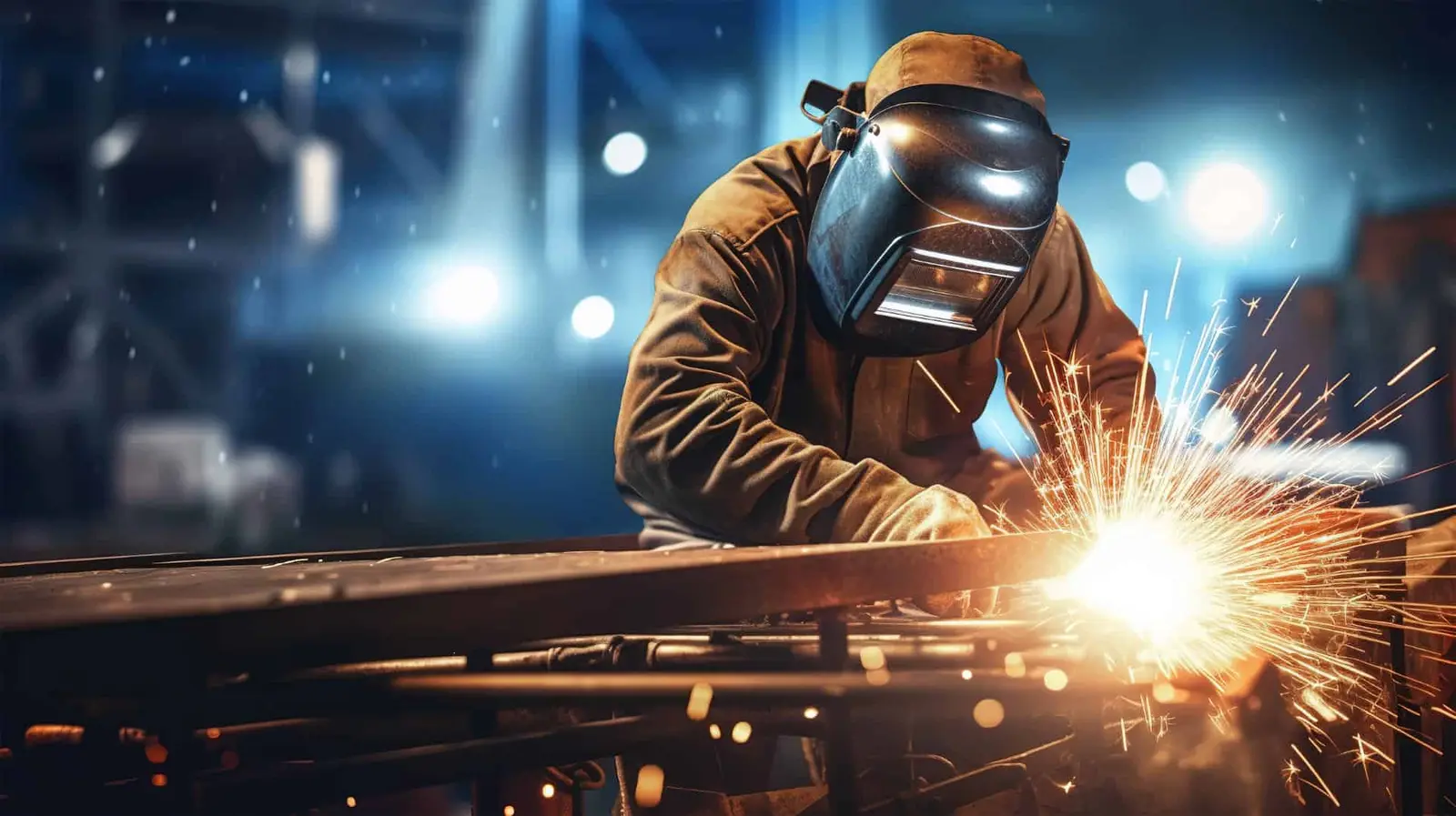
The appropriate repair method depends on the type of metal, the extent of the damage, and the component's intended function. Welding repair in Stafford KS is a process used to restore damaged metal components by joining broken sections, reinforcing weak areas, or replacing unsuitable parts. Some problems may involve a simple broken joint, while others require additional reinforcement or careful reconstruction. Before beginning, a professional should inspect the affected area and determine whether welding is a suitable solution. Proper assessment helps identify hidden damage, select compatible materials, and avoid repairs that may not provide the required strength or durability.
Metal components can become damaged for several reasons, including repeated use, excessive loads, accidental impacts, vibration, corrosion, and poor installation. Outdoor structures may experience deterioration due to moisture and changing weather conditions, while industrial equipment can develop cracks from continuous operation. Weak connections and previous poor-quality repairs may also contribute to recurring problems. Identifying the original cause is important because repairing the visible damage alone may not prevent it from happening again. A careful inspection helps professionals understand the condition of the metal and recommend an appropriate solution based on the component's working environment.
Depending on the professional's experience and available equipment, repair projects may include gates, fences, railings, trailers, machinery parts, brackets, frames, and structural components. Some jobs require reconnecting separated metal pieces, while others may involve cutting out damaged sections and fitting replacement material. The repair process should match the metal type, thickness, and intended use of the component. Skilled workmanship and suitable welding techniques can help restore functionality while reducing the likelihood of further problems.
Different metal items require different repair approaches. A damaged gate may need a broken hinge or frame connection restored, while a trailer could require attention to a cracked bracket or support section. Welding repair services in Stafford KS help homeowners, contractors, and businesses restore different types of damaged metal structures and equipment. Industrial machinery may involve worn components or damaged joints that affect its operation. Structural metalwork can require more detailed inspection because the repaired section may carry significant loads. Professionals should consider the component's design and working conditions before selecting a method. When the damage affects a critical structural part, additional engineering assessment or replacement may be necessary instead of a routine welding repair.
Choosing a suitable welding technique is essential for producing a reliable repair. MIG welding may be useful for many general fabrication and repair tasks, while TIG welding can provide greater control for certain thinner materials and detailed applications. Stick welding is commonly used for various steel repairs, including some outdoor and construction-related work. The best option depends on the metal type, thickness, accessibility, joint design, and surrounding conditions. Professionals should also select compatible filler materials and equipment settings. Using the correct method helps create a suitable connection and reduces the risk of defects that could affect the repaired component.
Surface preparation has a major influence on the quality of a welding repair. Rust, paint, oil, dirt, and moisture can interfere with the welding process and contribute to weak or defective joints. Before starting, professionals should clean the affected area and remove damaged material when necessary. The edges may need to be prepared to allow proper access and suitable joint formation. Accurate alignment is also important because incorrectly positioned components can affect the shape and performance of the repaired item. Careful preparation helps create better working conditions and supports a more dependable finished result.
Welding repairs involve heat, sparks, fumes, electrical equipment, and potentially hazardous working conditions. Professionals should use appropriate protective clothing, welding helmets, gloves, and other safety equipment. Adequate ventilation and fire prevention measures are especially important when working near buildings, vehicles, machinery, or flammable materials. Once the repair is complete, the welded area should be inspected for visible cracks, incomplete fusion, distortion, and other defects. Certain applications may require additional testing to confirm that the repair meets the necessary requirements. Following suitable safety and quality procedures helps protect people and property while supporting reliable workmanship.
Finding a dependable welding professional can make a difference in the strength and performance of a repaired metal component. Customers should consider experience with the relevant material, knowledge of different welding techniques, equipment quality, and previous repair work. Explaining how the item is used and describing the damage can help the professional understand the project's requirements. A proper assessment should also identify whether the component can be safely repaired or whether replacement is a better option. Clear communication about the work involved, expected timeline, and finishing requirements helps customers make informed decisions.
Regular inspection and maintenance can help prevent minor problems from becoming major repairs. Customers should check metal structures for corrosion, loose connections, unusual movement, cracks, and visible changes around welded joints. Cleaning and applying suitable protective coatings may help reduce deterioration, particularly for outdoor items exposed to moisture. Equipment should also be operated within its intended limits to avoid placing unnecessary stress on repaired areas. If new damage appears, arranging a professional inspection can help identify the cause and determine the next step. Proper maintenance, timely repairs, and quality workmanship help keep metal structures useful and dependable over time.



Share this page with your family and friends.