


Site Tour with Test Users
Choose a test user to login and take a site tour.
Choose a test user to login and take a site tour.


9 minutes, 2 seconds
-15 Views 0 Comments 0 Likes 0 Reviews
What Fabrics Are Best for Tummy Control Activewear?
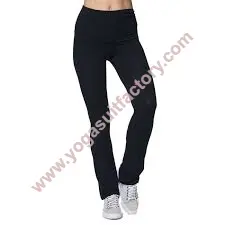
Fabric selection plays an important role in the comfort, fit, and performance of modern fitness clothing, particularly garments designed to provide gentle abdominal support while allowing natural movement. Nylon, polyester, and spandex each contribute distinct characteristics, from a smooth surface and moisture management to flexible stretch and shape recovery. For brands developing Tummy Control Activewear, understanding these materials helps create products suited to yoga, gym training, and everyday athleisure. YogasuitFactory, operated by Jinhua Yongxing Knitting Co., Ltd., focuses on yoga apparel and fitness clothing solutions for different market requirements. Which fabric combinations should brands consider when developing comfortable, functional activewear?
Understanding the Main Fabrics
Nylon is widely used in fitted sportswear because of its smooth texture, softness, and resistance to everyday abrasion. When combined with spandex, it creates a flexible knit that follows the body's movements and returns toward its original shape after stretching. This combination is frequently selected for yoga leggings, fitted shorts, and sports bras, where a comfortable next-to-skin feel is an important design consideration.
Polyester offers a different set of useful characteristics. It is known for its relatively low moisture absorption, quick-drying potential, and suitability for a wide range of colours and printed designs. Polyester-spandex blends can be used for training leggings, gym tops, and coordinated fitness sets, particularly when a collection requires consistent colour presentation or printed patterns. The final result depends on yarn quality, knitting structure, fabric weight, and finishing processes rather than fibre composition alone.
Spandex, also known as elastane, is the component responsible for much of the stretch found in fitted activewear. It allows a garment to expand during squats, lunges, stretches, and other exercises while supporting shape recovery after movement. However, adding elastic fibre does not automatically guarantee a comfortable fit. The proportion of spandex must work alongside the base material, garment pattern, and intended compression level.
For this reason, brands should evaluate the complete fabric construction instead of choosing materials based solely on their names. A well-designed blend needs to balance flexibility, coverage, breathability, surface feel, and durability according to the garment's intended use.
Matching Fabric Performance with Exercise Needs
Yoga clothing needs to accommodate a wide range of body positions, from gentle stretches to deep bends and extended poses. A nylon-spandex knit can provide a smooth hand feel and flexible movement, while suitable fabric density helps maintain coverage when the garment stretches. Waistband construction also matters because the fabric and pattern must work together to keep the garment comfortably positioned without excessive pressure.
Gym clothing may face different demands, including repeated friction, frequent washing, and perspiration during strength training or cardiovascular exercise. Polyester-spandex blends can suit these applications because of their drying characteristics and versatility in colour development. Nylon-based options remain relevant when a soft surface and close-fitting feel are central to the product concept.
For outdoor exercise, ventilation, drying behaviour, and protection from environmental exposure deserve attention. Lightweight knits and breathable panels can help support airflow, although their suitability depends on the climate and activity. Thicker constructions may provide additional coverage and structure, but fabric weight alone does not determine quality or opacity.
Cotton-spandex blends are another option for casual fitness clothing and relaxed athleisure styles. Cotton provides a familiar natural touch, while spandex adds flexibility. However, cotton generally absorbs and retains moisture differently from performance-oriented synthetic fabrics, so it may not suit every high-sweat activity. Selecting materials according to actual usage helps brands establish a clear purpose for each product.
Stretch, Compression, and Everyday Comfort
A garment intended to shape the waist should feel secure without restricting breathing, bending, or normal movement. Four-way stretch allows fabric to extend both lengthwise and crosswise, supporting movement in different directions. Recovery is equally important because fabric that remains stretched after repeated use can affect the garment's fit and appearance.
Compression depends on several interacting factors, including fibre composition, knit structure, fabric weight, pattern design, and waistband construction. A denser knit may create a firmer sensation, but excessive compression can reduce comfort. The objective is to develop a balanced fit that supports movement without creating unnecessary pressure around the abdomen.
Opacity deserves particular attention when designing leggings. Fabric should be assessed under stretching conditions and in different colours, because a material that appears opaque while resting may become less covering when extended. Seam placement, gusset design, and panel construction also affect how a garment fits and moves during exercise.
Brands can evaluate these characteristics through fabric swatches, sample garments, stretch-and-recovery checks, wash trials, and movement assessments. Testing the actual finished product provides useful information about how the material performs after sewing and finishing, rather than relying exclusively on a supplier's fabric description.
Manufacturing Considerations for Activewear Brands
Developing a fitness collection involves coordinating fabric selection with sizing, pattern making, colour planning, sewing methods, and quality inspection. A fabric suitable for one design may require adjustments when used in another style, particularly when the waistband height, compression level, or garment length changes.
Private-label projects may also involve custom colours, printed patterns, logo placement, labels, and packaging. These requirements should be discussed during product development so that fabric availability, sample approval, and production specifications remain aligned. Clear documentation helps maintain consistency when a style enters repeat production.
Brands should also consider care instructions, colourfastness, shrinkage, pilling, and seam durability. These factors influence how clothing looks and feels after repeated washing and regular use. Where recycled materials or environmental claims are involved, supporting documentation should be reviewed before such claims appear in product descriptions or marketing materials.
For international orders, communication about sizing systems, target customers, packaging details, and delivery schedules can help coordinate the development process. A practical sourcing plan considers the complete garment, from material selection to finished-product inspection, rather than treating fabric as an isolated purchasing decision.
Developing a Suitable Activewear Collection
Choosing the right material starts with a clear understanding of the intended activity, fit, price positioning, and customer expectations. Nylon-spandex blends can suit soft, fitted yoga clothing, polyester-spandex fabrics can support training and printed designs, and cotton blends may be appropriate for casual fitness styles. Each option should be assessed through samples and performance checks before bulk production.
Brands exploring Tummy Control Activewear can review the available apparel range at https://www.yogasuitfactory.com to examine product options and consider suitable styles for their collections. YogasuitFactory works with yoga and fitness apparel, giving businesses a starting point for discussing product requirements, fabric choices, and customized clothing projects for their intended markets.



Share this page with your family and friends.